

Travel Insurance Mistakes Canadians Make Before Visiting the USA
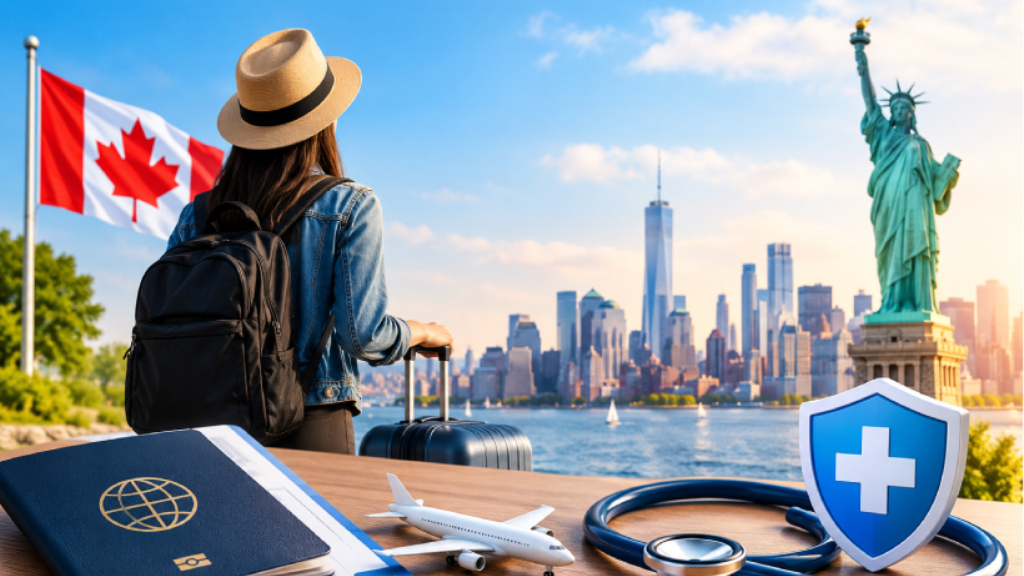
Planning a trip from Canada to the United States may seem straightforward because of the close proximity between the two countries. Many Canadians visit the USA every year for vacations, business meetings, shopping, family visits, sporting events, and seasonal stays. However, despite the familiarity of cross-border travel, one important aspect is often overlooked: travel medical insurance. While Canada offers an excellent public healthcare system, it generally does not cover the full cost of medical treatment received outside the country. As a result, Canadians who travel without adequate visitor insurance may face unexpected financial burdens if a medical emergency occurs.
Unfortunately, many travelers make avoidable mistakes when purchasing travel insurance or deciding whether they need it at all. Understanding these common errors can help Canadians make informed decisions and enjoy their trip with greater confidence. By choosing the right travel insurance before leaving home, travelers can protect both their health and their finances throughout their stay in the United States.
Why Canadians Need Travel Insurance for the USA
Many Canadians assume that their provincial healthcare plan will provide sufficient coverage while visiting the United States. Although some provinces may reimburse a small portion of eligible emergency medical expenses incurred abroad, the reimbursement is often significantly lower than the actual cost of healthcare in the U.S.
Medical services in the United States are among the most expensive in the world. Even a short emergency room visit, ambulance transportation, diagnostic testing, or a brief hospital stay can result in thousands of dollars in medical bills. Consequently, relying solely on provincial healthcare coverage can expose travelers to substantial out-of-pocket expenses.
Travel medical insurance helps bridge this gap by providing financial protection for eligible medical emergencies that occur during the trip. Therefore, purchasing the appropriate visitor insurance before traveling is an essential step rather than an optional expense.
Assuming Provincial Health Insurance Is Enough
One of the most common mistakes Canadians make believes that their provincial health plan will fully cover medical treatment received in the United States. While provincial healthcare provides outstanding coverage within Canada, international medical protection is generally very limited.
Because reimbursement amounts are often based on Canadian healthcare costs rather than U.S. pricing, travelers may still be responsible for paying a significant portion of their medical expenses. Furthermore, emergency transportation, hospitalization, specialist consultations, and advanced diagnostic procedures may result in bills that far exceed provincial reimbursement limits.
Therefore, relying exclusively on provincial healthcare can become an expensive mistake during an unexpected medical emergency.
Waiting Until the Last Minute to Buy Insurance
Another frequent mistake involves postponing the purchase of travel insurance until just before departure. Many travelers become focused on flights, hotels, transportation, and vacation planning while delaying insurance until the final stages.
However, purchasing coverage early allows travelers to carefully compare available plans, understand policy terms, and select benefits that best fit their travel needs. Additionally, buying insurance before departure ensures coverage begins as intended without unnecessary complications.
Last-minute decisions often result in rushed choices that may not provide adequate protection for the traveler's specific situation.
Choosing the Cheapest Plan without Comparing Benefits
Price is naturally an important consideration for every traveler. Nevertheless, selecting the least expensive insurance policy without reviewing the coverage details can lead to inadequate protection.
Lower-cost plans may include reduced medical limits, higher deductibles, additional exclusions, or fewer covered services. Consequently, a policy that appears affordable initially may provide less financial protection during a medical emergency.
Instead of focusing solely on cost, travelers should evaluate overall value by reviewing medical benefits, emergency medical evacuation coverage, provider networks, deductible options, and claims support.
A well-balanced policy often provides significantly greater peace of mind than simply choosing the lowest premium available.
Ignoring Policy Exclusions
Travel insurance policies contain specific exclusions that outline situations and conditions that may not be covered. Unfortunately, many Canadians purchase insurance without taking the time to review these important details.
For example, certain activities, pre-existing medical conditions, elective procedures, or non-emergency treatments may have limitations depending on the policy. Therefore, understanding exclusions before departure helps eliminate misunderstandings if a claim becomes necessary later.
Reading the policy carefully ensures travelers know exactly what protection they are purchasing.
Not Declaring Pre-Existing Medical Conditions
Many travelers live with on-going medical conditions such as diabetes, hypertension, asthma, or heart disease. Although these conditions are often well managed, they should never be ignored when selecting travel insurance.
Failing to understand how a policy handles pre-existing medical conditions can create unexpected claim issues if treatment becomes necessary during the trip. Some plans include specific stability requirements, while others may provide limited or optional coverage depending on eligibility.
Consequently, reviewing policy terms before purchasing coverage allows travelers to make informed decisions based on their personal medical history.
Overlooking Coverage Limits
Every travel insurance policy includes maximum benefit amounts for eligible medical expenses. Unfortunately, many travelers never verify whether these limits provide sufficient financial protection for healthcare costs in the United States.
Because U.S. medical expenses can increase rapidly, selecting an appropriate coverage limit is extremely important. Hospital admissions, emergency surgery, intensive care treatment, and specialist consultations can easily generate very large medical bills.
Choosing higher coverage limits often provides greater financial security, especially for longer trips or travelers with increased health risks.
Forgetting About Emergency Medical Evacuation
Most travelers concentrate on hospital coverage while overlooking emergency medical evacuation benefits. Although these situations are relatively uncommon, they can become extraordinarily expensive when specialized transportation is required.
Emergency medical evacuation may involve transportation to another medical facility with advanced treatment capabilities or, in certain circumstances, repatriation following medical stabilization. Depending on the distance and medical equipment required, evacuation costs may reach tens of thousands of dollars.
Including this benefit within a travel insurance policy provides valuable protection against these rare but financially significant events.
Assuming Every Healthcare Provider Accepts Every Insurance Plan
Another misunderstanding involves healthcare provider networks. Travelers often assume they can visit any medical facility without considering whether the provider participates in their insurance network.
Many visitor insurance plans include access to Preferred Provider Organization (PPO) networks, allowing policyholders to receive treatment from participating hospitals, physicians, and urgent care centers. Using network providers may simplify billing procedures and improve the overall claims experience.
Therefore, understanding how provider networks operate before traveling helps avoid unnecessary confusion during medical treatment.
Ignoring Deductible Options
Deductibles directly affect both insurance premiums and out-of-pocket expenses. However, many travelers choose a deductible without fully understanding how it works.
Generally, selecting a higher deductible reduces the premium while increasing the amount the traveler pays before eligible benefits begin. Conversely, lower deductibles often result in higher premiums but may reduce immediate personal expenses during a covered claim.
Considering travel duration, health status, and financial preferences allows travelers to choose a deductible that best matches their individual needs.
Not Carrying Insurance Information during the Trip
Even after purchasing insurance, some travelers forget to carry their policy information while traveling. During a medical emergency, quick access to policy numbers, emergency assistance contacts, and coverage details can simplify the treatment process considerably.
Keeping both digital and printed copies of insurance documents ensures important information remains available whenever needed. Additionally, sharing policy details with family members can provide extra reassurance throughout the trip.
Preparation before departure often saves valuable time during unexpected situations.
Purchasing Insurance Without Understanding the Claims Process
Many Canadians focus entirely on policy benefits while overlooking the claims process. Understanding how claims are submitted, what documentation is required, and when to contact emergency assistance can make the experience much smoother.
Knowing the appropriate procedures before an emergency occurs reduces stress and helps travelers respond more effectively if medical treatment becomes necessary during their stay.
Insurance providers typically offer clear instructions regarding claims, making it worthwhile to review these guidelines before departure.
Waiting Until Arrival to Buy Coverage
Some travelers mistakenly believe they can purchase travel insurance after arriving in the United States. Although certain plans may allow limited enrollment under specific circumstances, many policies are intended to be purchased before departure.
Buying coverage before travel begins generally provides more comprehensive protection and eliminates uncertainty regarding eligibility requirements. Consequently, arranging insurance ahead of time remains the safest approach.
Choosing Insurance Based Only on Recommendations
Recommendations from friends or family can certainly be helpful. However, every traveler has unique medical needs, travel plans, trip durations, and financial priorities.
Rather than selecting a policy solely because someone else used it successfully, travelers should compare coverage options based on their own circumstances. A plan that works well for one traveler may not necessarily be the ideal choice for another.
Personalized decision-making leads to better overall protection throughout the journey.
Travel with Confidence Through Proper Planning
Cross-border travel should be enjoyable rather than stressful. Fortunately, most insurance-related problems can be avoided through careful planning before departure.
By researching available plans, understanding policy benefits, reviewing exclusions, selecting appropriate coverage limits, and purchasing insurance early, Canadians can significantly reduce financial risk during their visit to the United States.
Proper preparation not only protects travelers from unexpected healthcare expenses but also allows them to enjoy their trip with greater peace of mind.
Conclusion
Visiting the United States is an exciting opportunity for Canadians, whether traveling for leisure, business, family reunions, or seasonal stays. Nevertheless, unexpected medical emergencies can occur at any time, and healthcare costs south of the border can be remarkably high. Making assumptions about provincial healthcare coverage, choosing insurance based only on price, ignoring policy details, or delaying the purchase of coverage can lead to costly consequences.
By avoiding these common travel insurance mistakes, Canadians can better protect themselves against unforeseen medical expenses and travel with confidence. Taking time to compare plans, understand benefits, review exclusions, and secure comprehensive visitor insurance before departure is a smart investment in both health and financial security. Before your next trip to the United States, choose a travel Visitors Insurance plan that matches your needs and enjoy every moment knowing you are prepared for the unexpected.
We hope this article has helped you better understand your Visitors Insurance options.
If you need help generating a new quote, please email us at info@visitorsinsurance.com and share the traveller’s ages, travel dates, visa/green card status, and destination country for the quickest response.
You can also generate a quote here: https://www.visitorsinsurance.com
If you have any other questions or feedback regarding this post, you can reach us via email at info@visitorsinsurance.com, toll-free at 800-344-9540 / 847-897-5120, or via phone or WhatsApp at 847-897-5120.
About the Author

Rinkoo Dhimar is the VP of Marketing and Sales at Visitors Insurance, bringing 10+ years of professional experience with a focus on digital marketing, brand strategy, and customer experience. Rinkoo combines strategic thinking with a strong understanding of the travel insurance industry to communicate the value of insurance solutions to al travelers.
At Visitors Insurance, Rinkoo helps make insurance offerings more accessible and understandable for travelers and visitors seeking coverage abroad. Rinkoo supports this mission of connecting individuals and families with international health and travel insurance options that align with their individual needs.

Leave a reply